If you've had chiropractic before, you probably know the routine: you lie on a table, the doctor adjusts several areas of your spine, and you hear the familiar pop and crack. So when people first learn about upper cervical care, the most common question is a good one — what are the real differences between upper cervical and traditional chiropractic? The short answer is that they share a profession but take very different paths. Understanding that difference can help you decide which approach fits what you're actually looking for.
Both can be valuable. But they're built on different philosophies about where to focus, how often to adjust, and what "success" looks like.
A Difference in Focus
Traditional chiropractic typically works across the whole spine. Over a series of visits, the doctor adjusts multiple segments — neck, mid-back, low back — with the goal of improving mobility and relieving symptoms wherever they appear. It's a broad approach, and for many people it provides real relief.
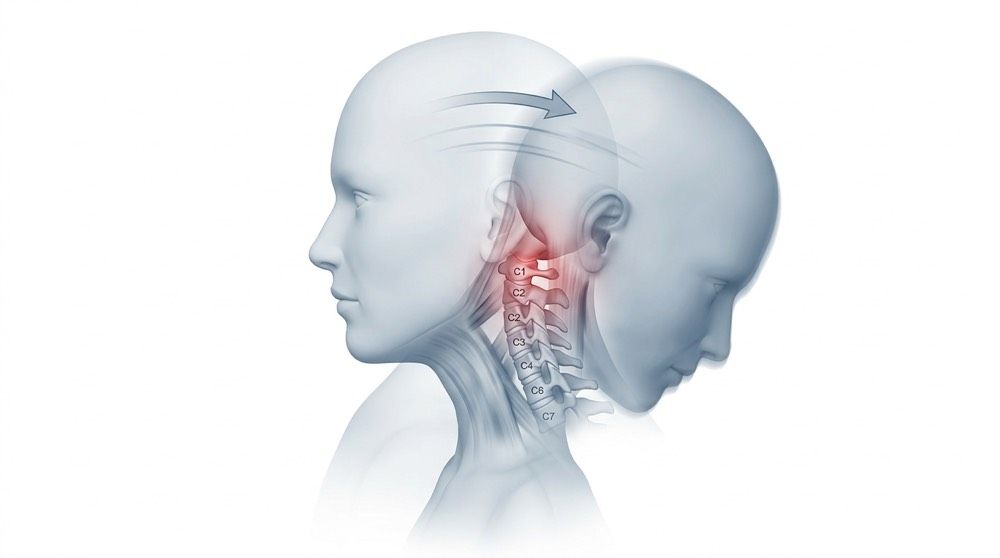
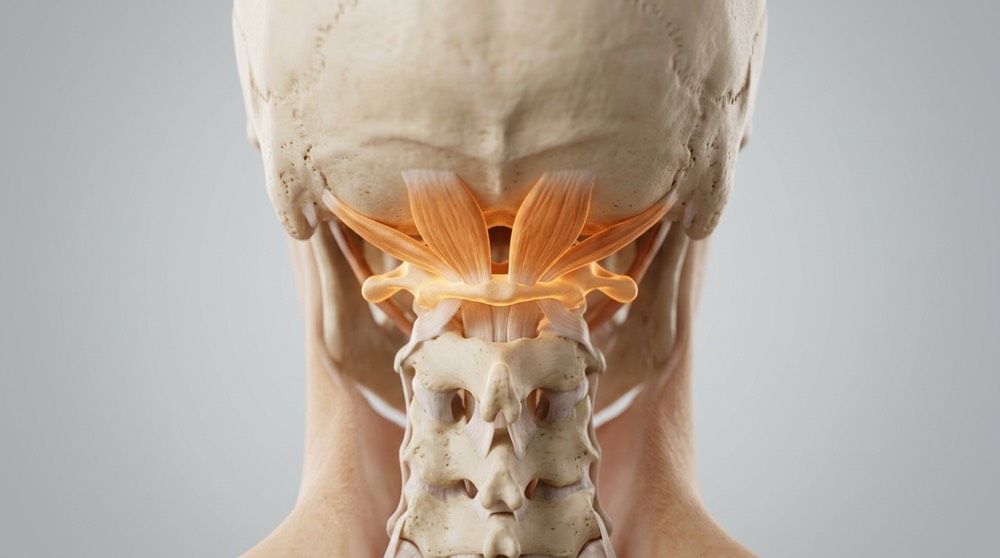
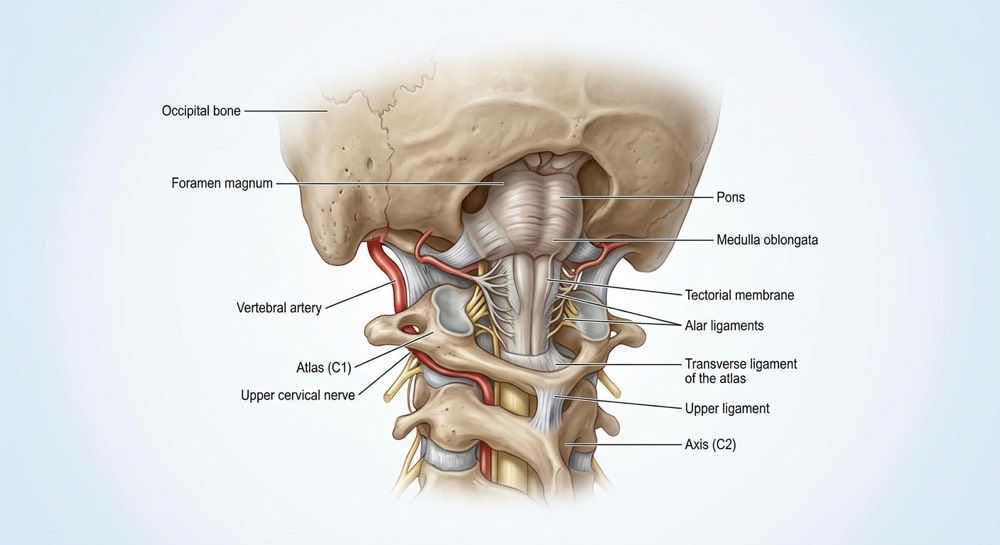
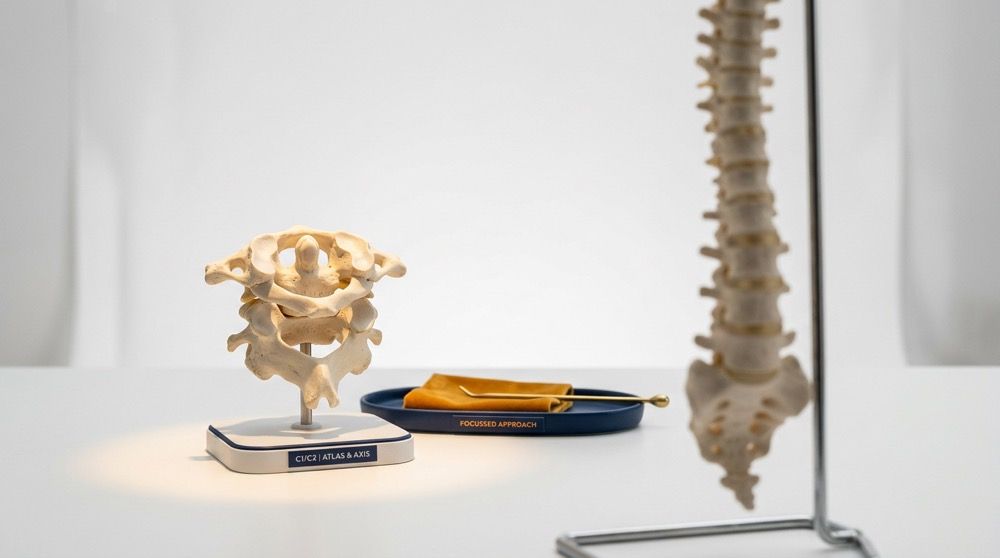
Upper cervical specific chiropractic narrows the focus to one root cause: the alignment of the atlas (C1) and axis (C2) at the very top of the spine. Rather than adjusting up and down the spine, it asks whether a misalignment at the brainstem level is creating interference that drives the problem. Because the upper cervical spine influences the entire nervous system, correcting this one area often helps with concerns that a general, segment-by-segment approach doesn't fully reach. If you're new to the idea, our overview of
upper cervical chiropractic care explains why the top of the spine carries so much influence.
A Difference in Technique
The hands-on experience is one of the most noticeable contrasts. A traditional adjustment often uses a quick, manual thrust to move a joint, frequently producing an audible release. It can feel effective and satisfying, but it also involves more force and more motion.
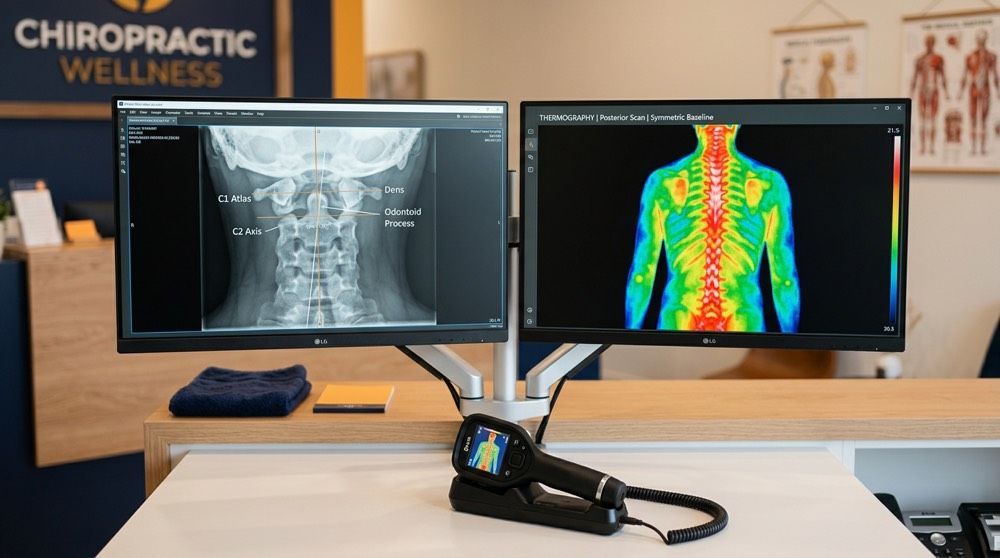
An upper cervical correction is the opposite in feel. There is no forceful twisting of the neck and no high-velocity thrust; the force is measured in ounces, and the direction of the correction is calculated from digital X-rays before you ever get on the table. Some patients do still hear a soft pop, which is completely normal — it simply is not created by a forceful thrust. The precision comes from the analysis, not the effort. This is why we describe our care as
scientific and about the alignment — the measurement does the heavy lifting, so the adjustment can be gentle.
A Difference in Measurement
Perhaps the biggest distinction is how each approach defines and verifies its work. Many traditional practices rely largely on the doctor's hands and the patient's reported symptoms to decide where and when to adjust.
Upper cervical care at Keystone Specific is guided by objective data at every step. Digital X-rays map the exact position of the atlas, and a digital infrared scan reads nervous system function before and after each correction. You can see whether interference was present and whether it resolved — it isn't left to interpretation. That commitment to
specific, measured care is what allows the "less is more" philosophy to work.
The "Less Is More" Principle
Here's where many new patients are genuinely surprised. In a lot of chiropractic models, you're adjusted at every appointment, almost by default. At Keystone Specific, the goal is not to adjust as often as possible — it's to adjust only when the objective data shows it's needed.
When the scan shows the atlas is holding and the nervous system is clear, no adjustment is made that day. Forcing a correction on a spine that's already holding can actually work against stability. So we let the data decide. Over time, as the atlas stabilizes, visits naturally space out toward periodic maintenance. The aim is always the minimum necessary to keep your nervous system clear — not a standing appointment for its own sake.
This is a meaningful shift in mindset: success isn't measured by how many adjustments you receive, but by how well your correction holds without them. Patients often tell us this was the moment upper cervical care started to make sense — and their
success stories reflect that turning point.
Which Approach Is Right for You?
Neither approach is "the only right way" to practice chiropractic. Traditional care can be a good fit for general mobility and broad symptom relief. Upper cervical specific care tends to resonate with people who have a chronic, stubborn issue, who want a root-cause approach, or who simply prefer a gentle, measured correction over a forceful one. For background on chiropractic as a whole, the National Center for Complementary and Integrative Health offers a balanced, non-commercial overview. (See the NCCIH.)
Frequently Asked Questions
Is upper cervical chiropractic better than regular chiropractic?
Neither is universally "better" — they're built for different goals. Traditional chiropractic addresses the whole spine for mobility and symptom relief; upper cervical care focuses on correcting the atlas to address nervous system interference at its source. The right choice depends on your situation.
Why doesn't upper cervical care adjust me every visit?
Because we adjust based on objective scan data, not routine. When the infrared scan shows your atlas is holding and your nervous system is clear, no adjustment is made. This protects the stability of your correction and reflects the "less is more" philosophy.
Does an upper cervical adjustment hurt like a regular one might?
There's no forceful twisting involved. The correction uses very light, specific force determined by your X-rays, so most patients feel little more than a gentle contact. Some do hear a soft pop, which is completely normal.
Take the Next Step
If a gentle, root-cause, measured approach sounds like what you've been missing, we'd be glad to show you the difference in person. At Keystone Specific Chiropractic Center in Wyomissing, we measure first, explain what we find, and recommend care only when the data shows it can help.
About the Author
Dr. Bill Moss, DC, is the founder of Keystone Specific Chiropractic Center in Wyomissing, PA, and a specialist in upper cervical chiropractic. After resolving his own years of anxiety and panic through upper cervical care, he devoted his practice to the same root-cause approach, using digital imaging and infrared scanning to deliver precise, gentle corrections. He is trained in the Knee Chest and Side Posture Toggle techniques and has taught upper cervical chiropractic to practitioners internationally.
Ready to start? Schedule your consultation today:
Contact Keystone Specific.